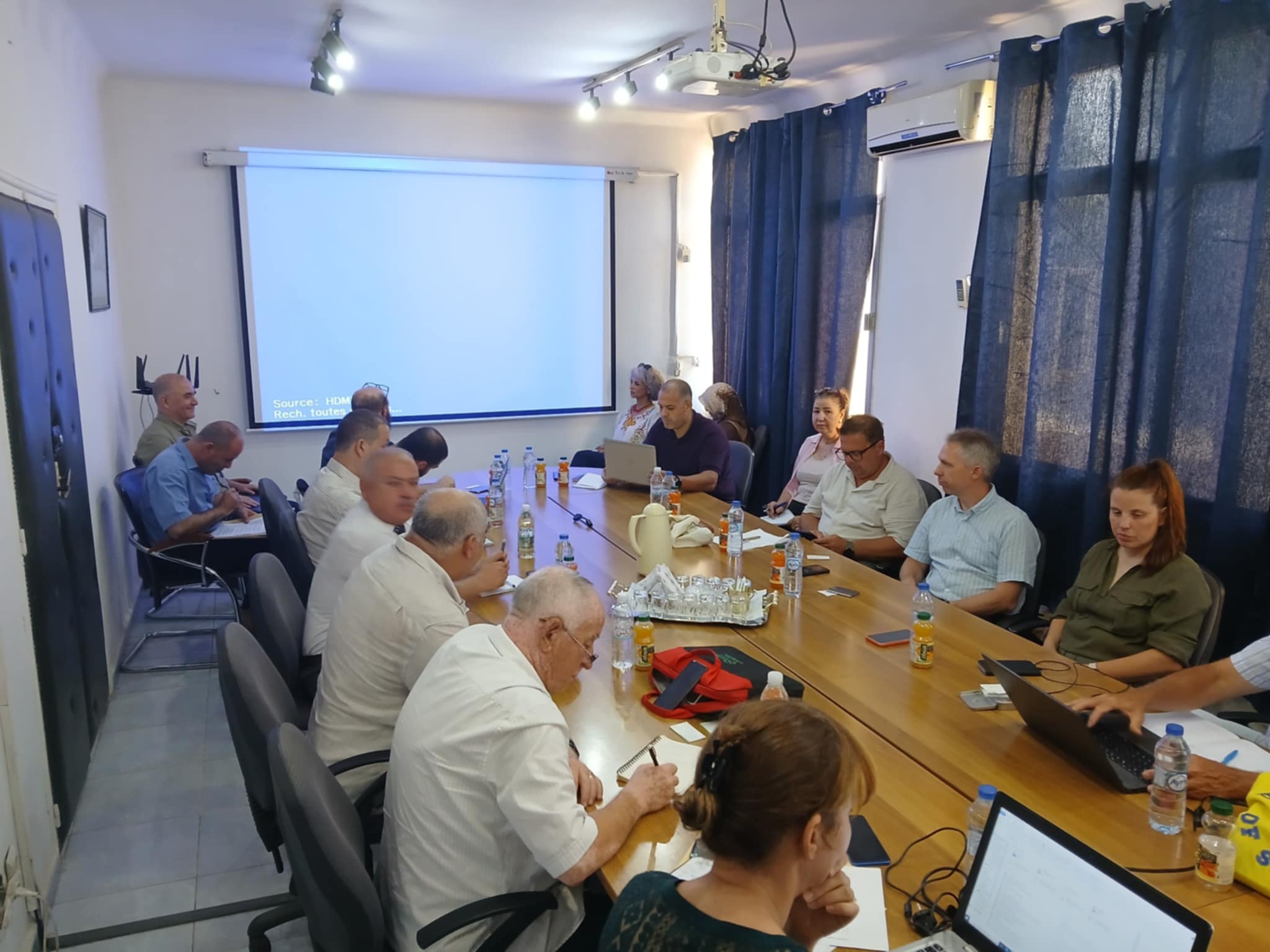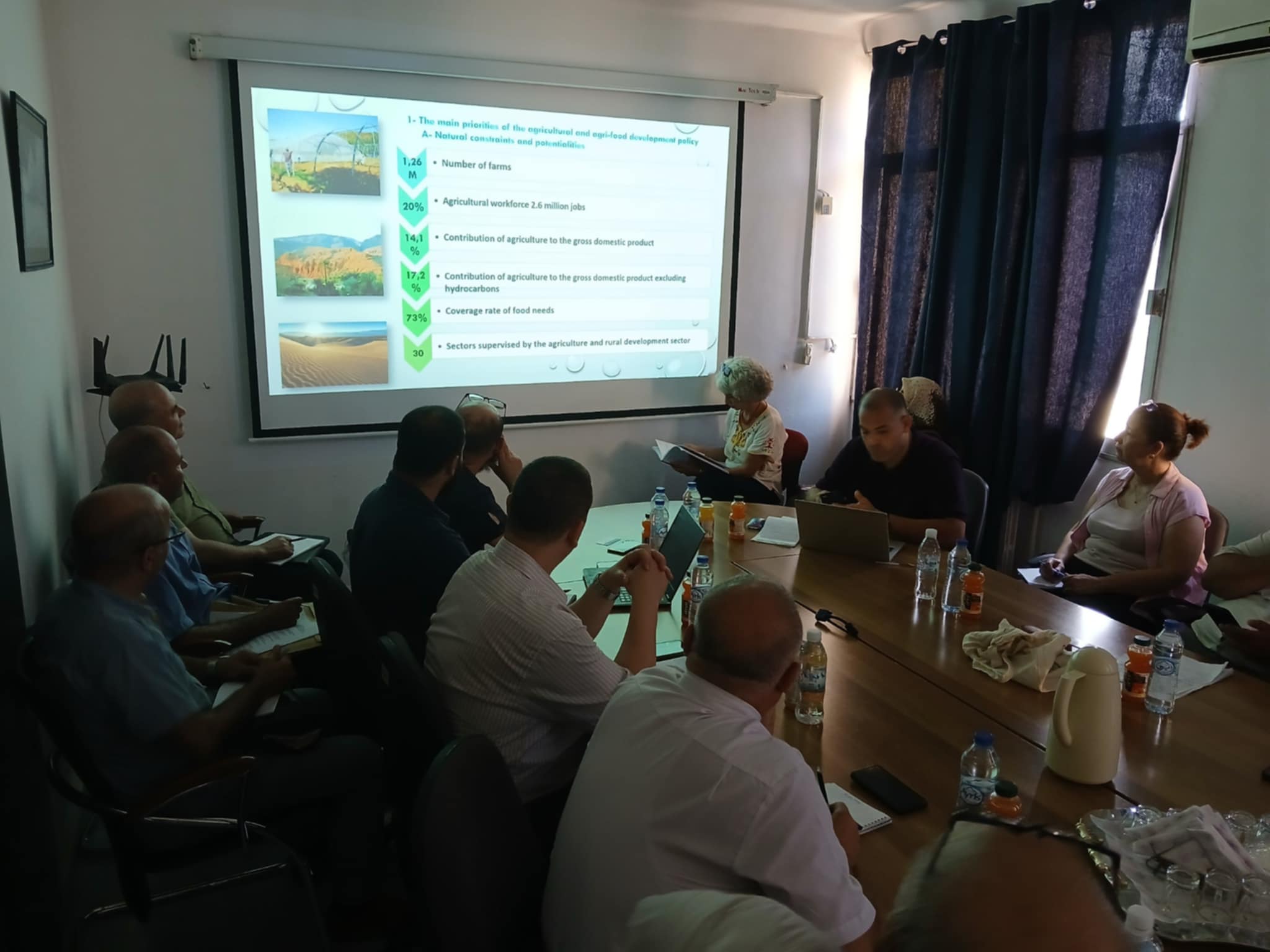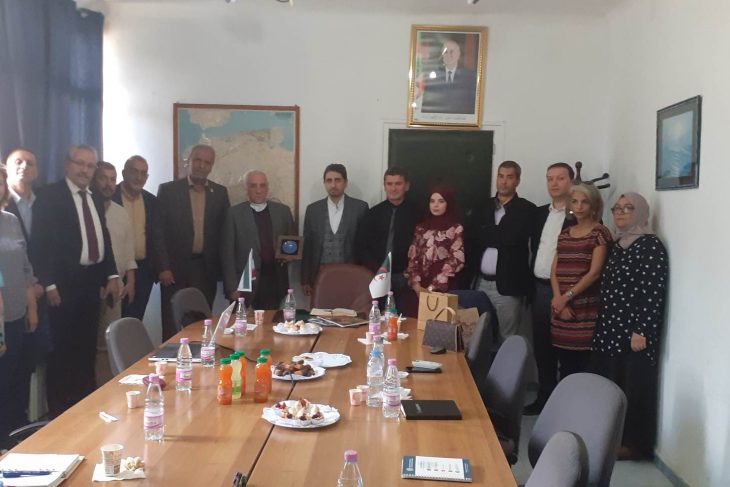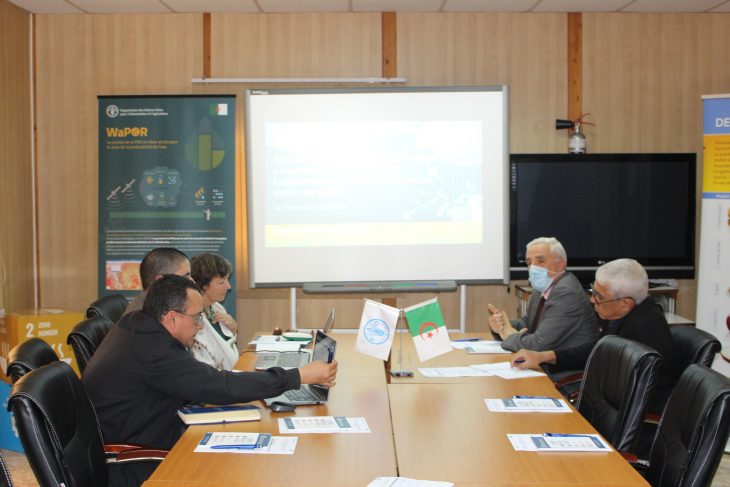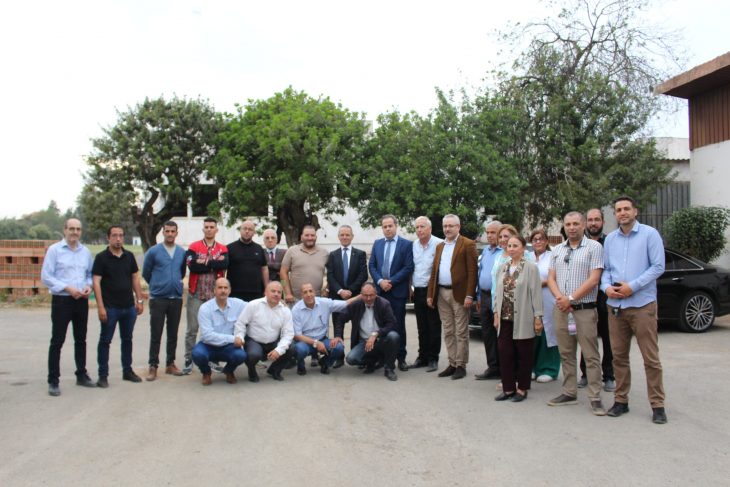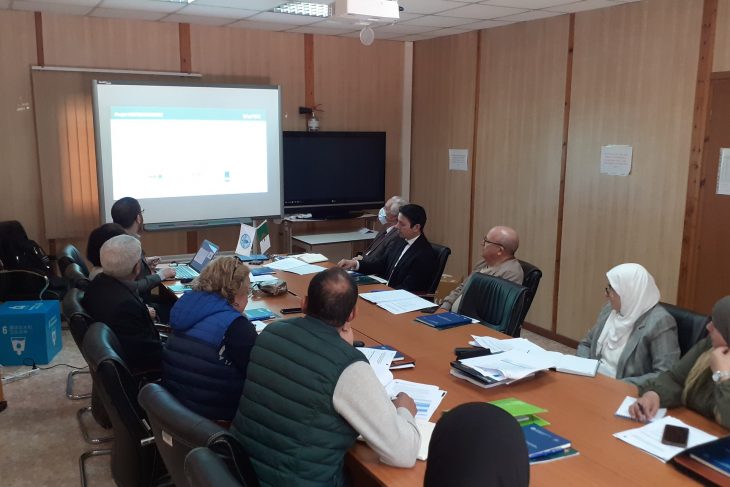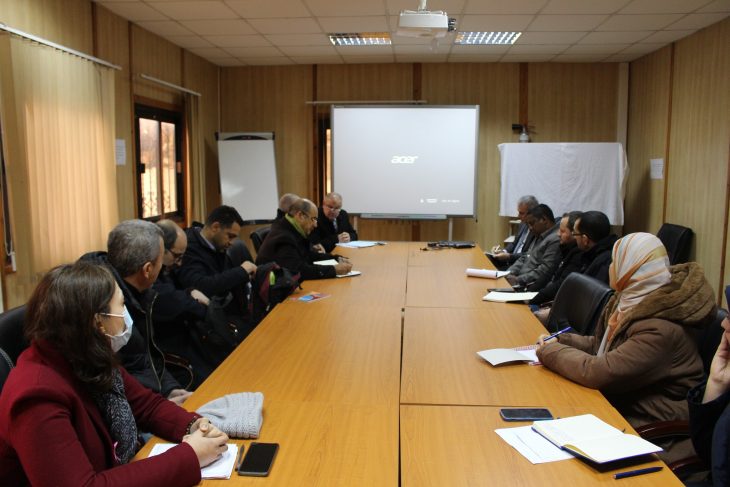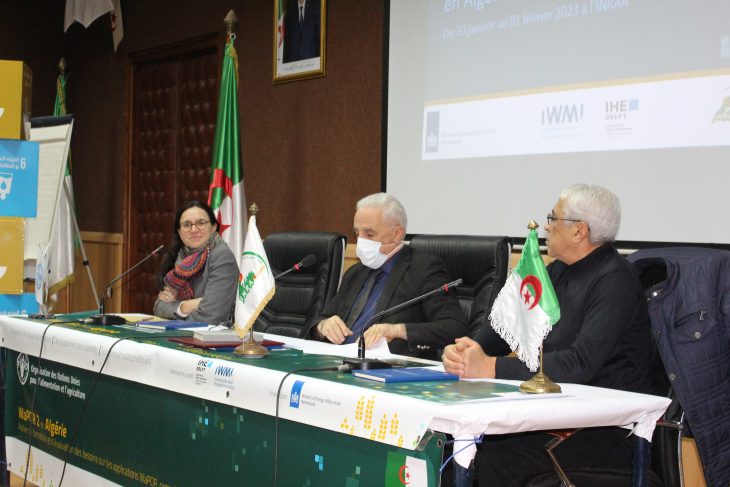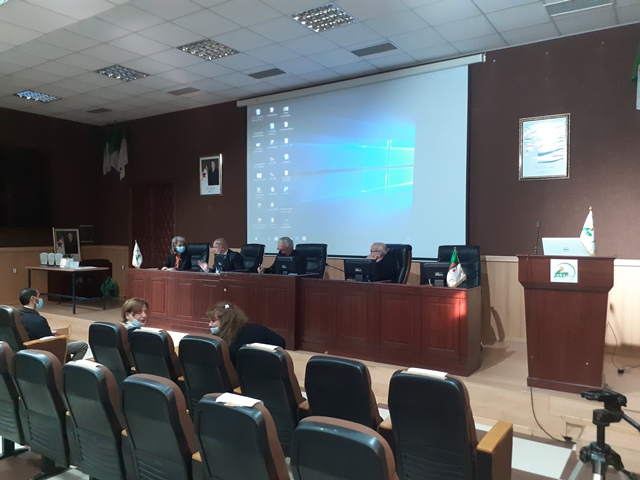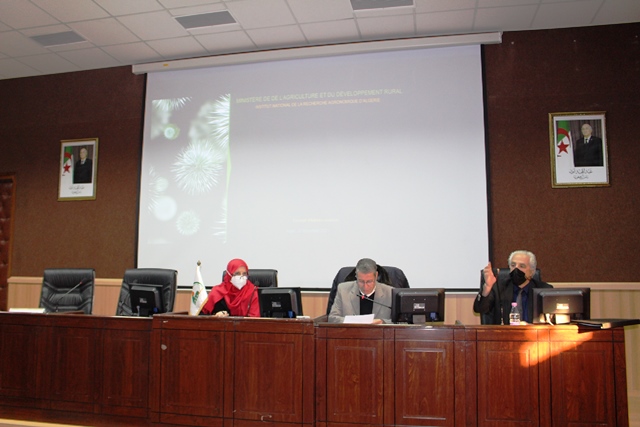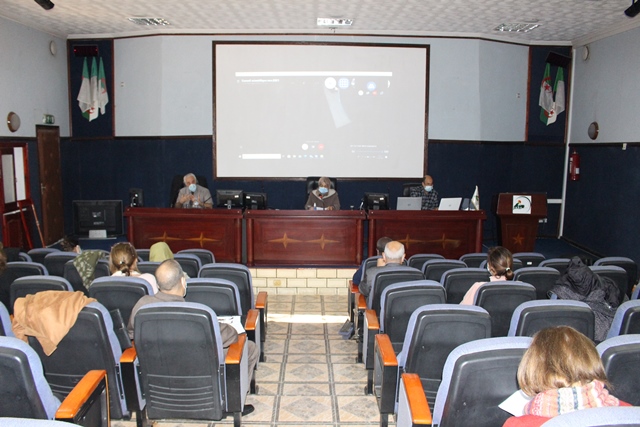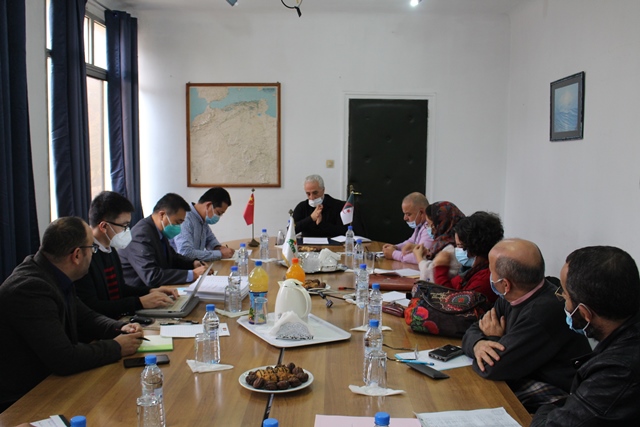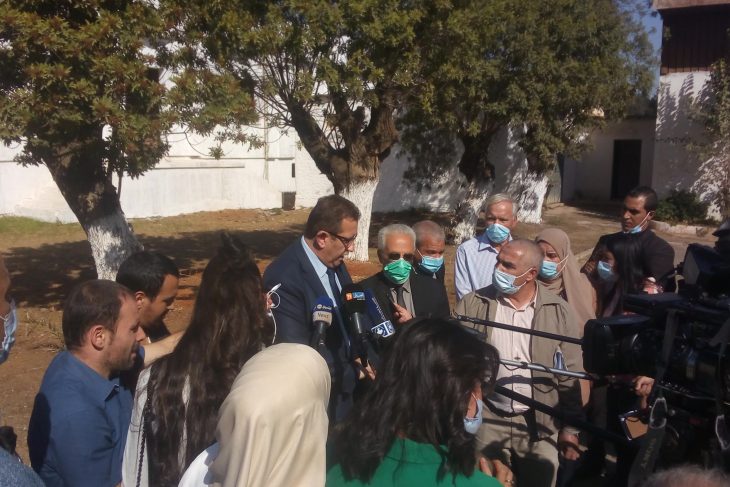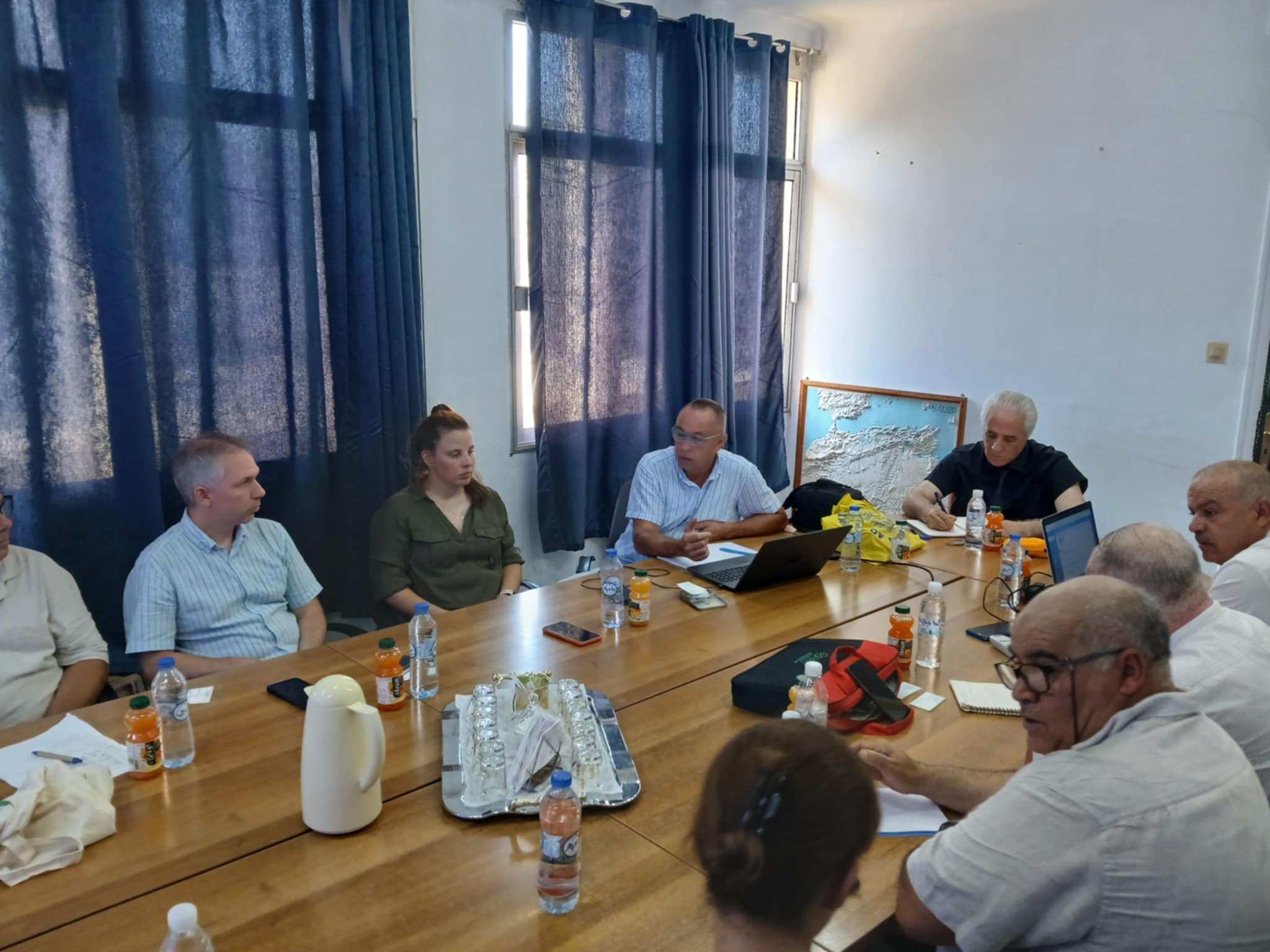
As part of the ERASMUS+ mobility program, the National Institute of Agronomic Research of Algeria (INRAA) welcomed today, Tuesday, July 8th, 2025, a distinguished delegation from the University of Szeged (Hungary), for an official visit taking place from July 7 to 17, 2025.
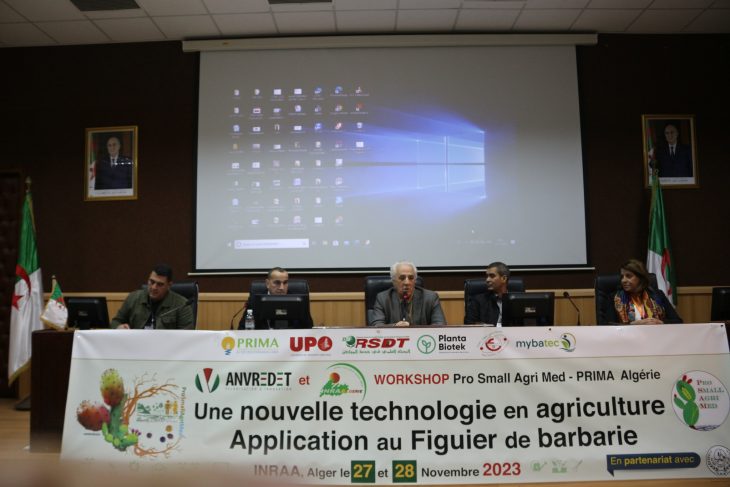
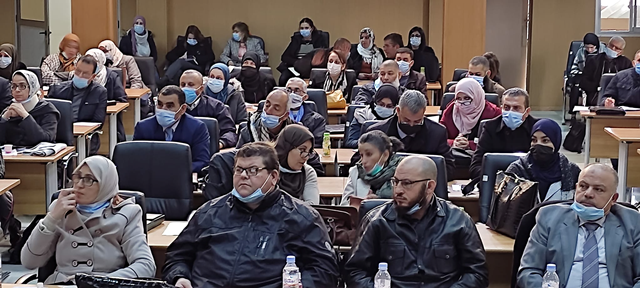
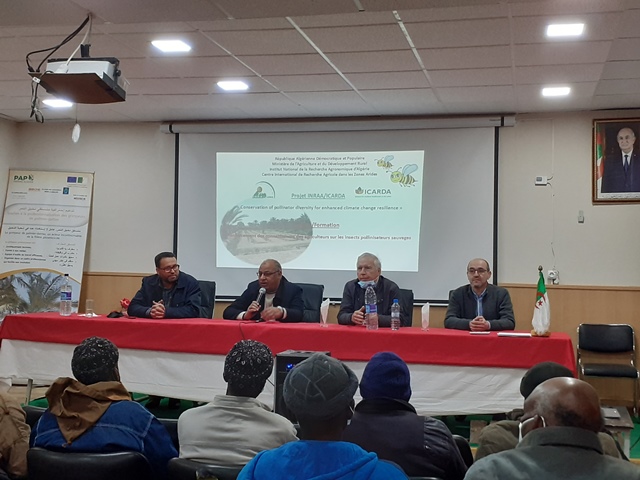
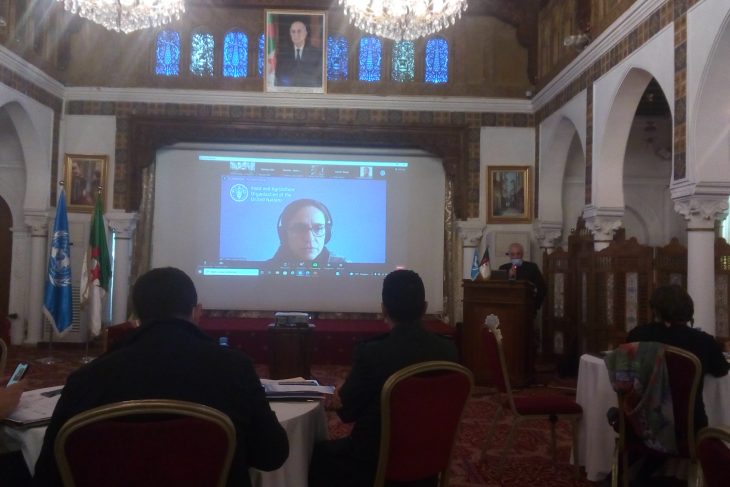
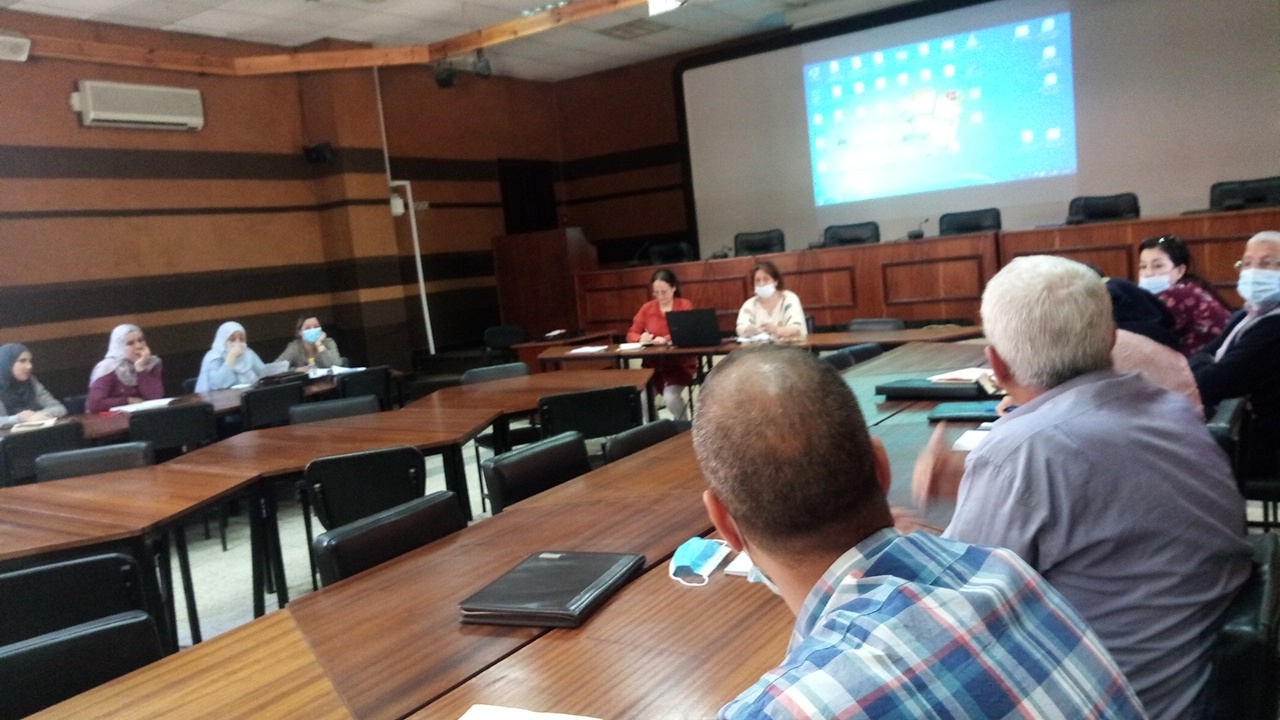
The meeting, held at INRAA headquarters, brought researchers to explore new opportunities for scientific collaboration and the establishment of strategic partnerships, particularly with the Hungarian National Agricultural Research and Innovation Centre (NAIK).
Key Topics Discussed During the Meeting
Discussions with the Hungarian delegation primarily focused on strategic topics of mutual interest, especially in response to the current challenges posed by climate change. The main themes addressed included:
-
·
Research on
resilient species – particularly the study of crops adapted to water
stress, with a focus on triticale,
a promising grain known for its baking potential and resistance to harsh
climatic conditions.·
Optimizing irrigation water use – especially in millet cultivation, through the use of
innovative methods for efficient water management.·
Soil fertility preservation and enhancement – a key
factor in promoting sustainable agriculture and combating land degradation.·
Development of new vegetable varieties – an area of
priority for INRAA, with efforts focused on creating high-yielding and locally adapted crops.·
Genetic improvement – in both the plant and animal sectors, to improve the
resilience and productivity of agricultural systems.·
Reduction of greenhouse gas emissions – particularly methane, by promoting sustainable
farming and livestock practices that minimize environmental impact.·
Enhancement of agricultural value chains – to boost
competitiveness and ensure sustainability across the different sectors.·
Integrated pest management for cereal diseases – using a
combination of biological, cultural, and
chemical control methods to protect crops sustainably.·
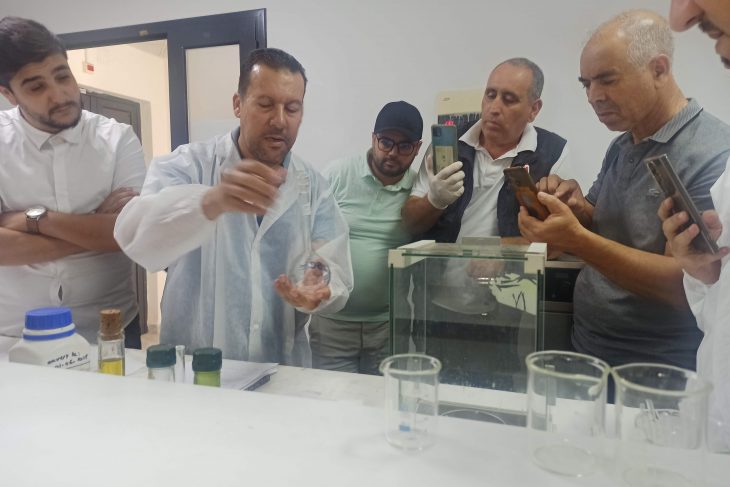
Extraction and valorization of essential oils – from aromatic and medicinal plants, a sector
with significant economic and scientific potential.·
Strengthening scientific cooperation – with an emphasis
on supporting young researchers,
encouraging the creation of startups,
and promoting contract-based research,
fostering innovation and technology
transfer in the agri-food sector.